
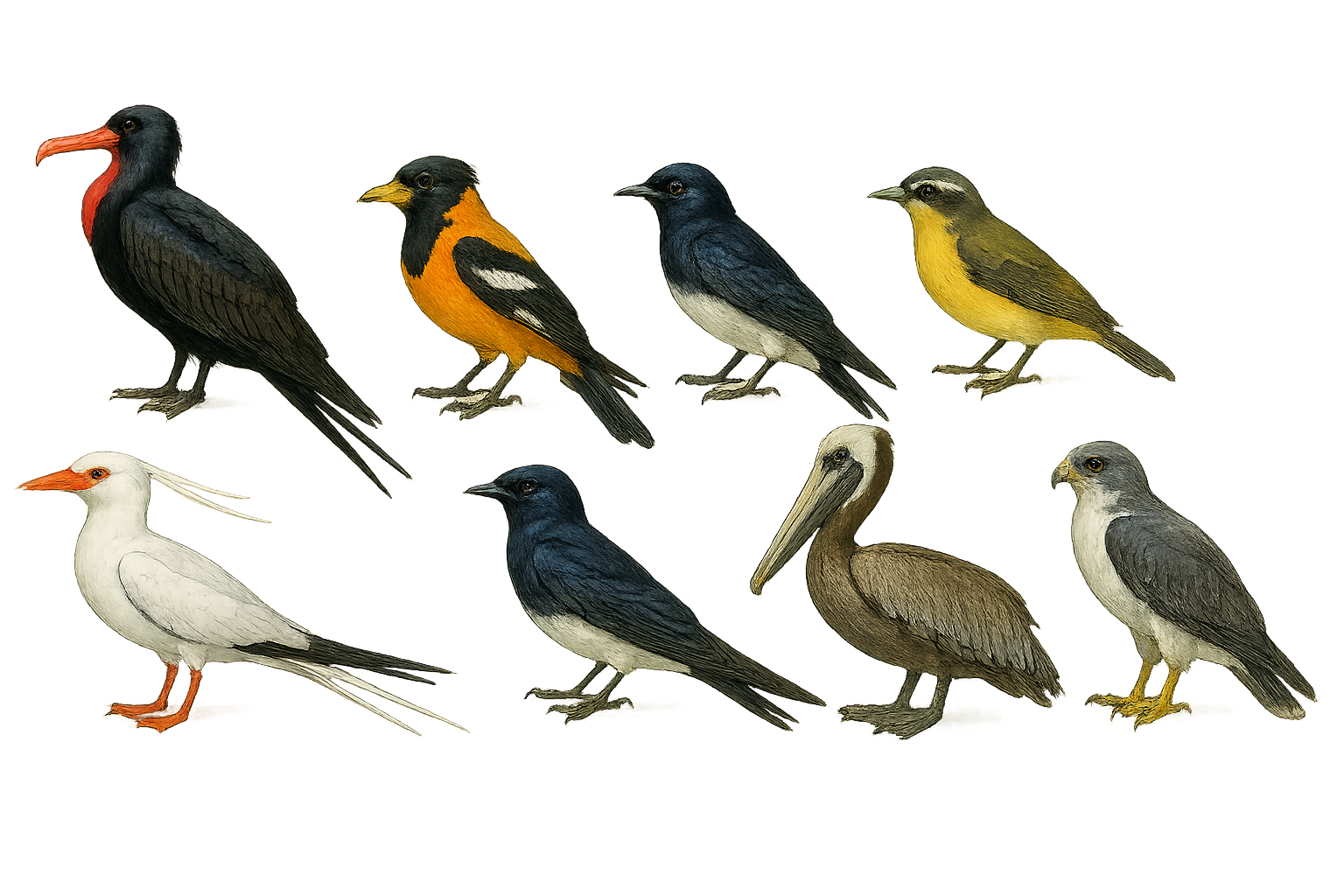
The 17 Most Amazing Birds You Can Spot from the Cliff Villa Peninsula
The Cliff Villa Peninsula in Watamula is one of the most dramatic places in Curaçao. Visitors come for the raw limestone cliffs, the constant trade winds, and the endless blue horizon. What many people do not realize is that this peninsula is also one of the best natural bird-viewing platforms on the island. Because of the updrafts rising from the cliffs and the rich feeding grounds offshore, the area often feels like a balcony that looks directly into the lives of Caribbean birds.
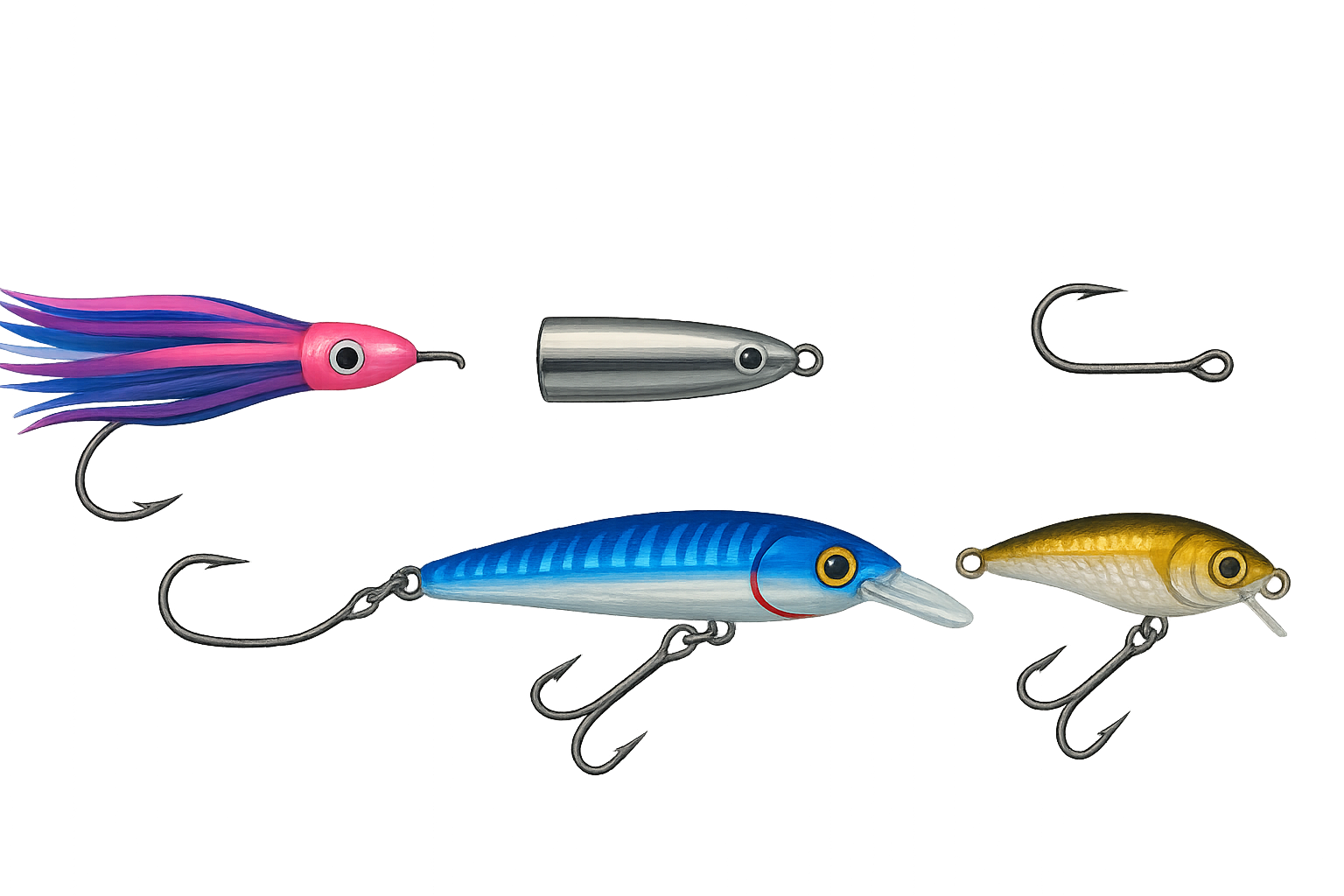
A Local’s Fishman’s Secrets to catching Tuna, Wahoo, Mahi & More
After speaking with the seasoned fishermen at Playa Piscadó in Westpunt, I discovered that Curaçao’s fishing success comes down to knowing a handful of local secrets. Tuna show themselves long before you see them, watch the seabirds, not the water. Wahoo hit hardest on the temperature breaks just offshore, especially when you troll faster than you think you should. Mahi gather under anything floating, from palm fronds to lost flip-flops, and keeping the first fish in the water will call in the whole school. Along the cliffs, barracuda strike metal lures the moment sunlight hits them, and jacks explode on bait pushed tight to the rocks after sunrise. The fishermen also swear by timing the tides, watching for colour changes in the water, and using the wind lines as a map to where predators are hunting. In Curaçao, they told me, the sea always speaks, if you know what to look for.

Curaçao’s World Cup Run
Curaçao has always punched above its weight in sports. The island produces Major League Baseball stars with surprising regularity. It stands out in Olympic swimming to track. Its athletes compete internationally with that unmistakable island pride. Yet what Curaçao achieved this year in football belongs on its own shelf. The smallest country ever to reach this stage of the World Cup has just rewritten the record books and inspired millions across the Caribbean and beyond.
Un pueblo chikí ku un kurason grandi. 🇨🇼 In Papiamentu ... small nation with a huge heart.
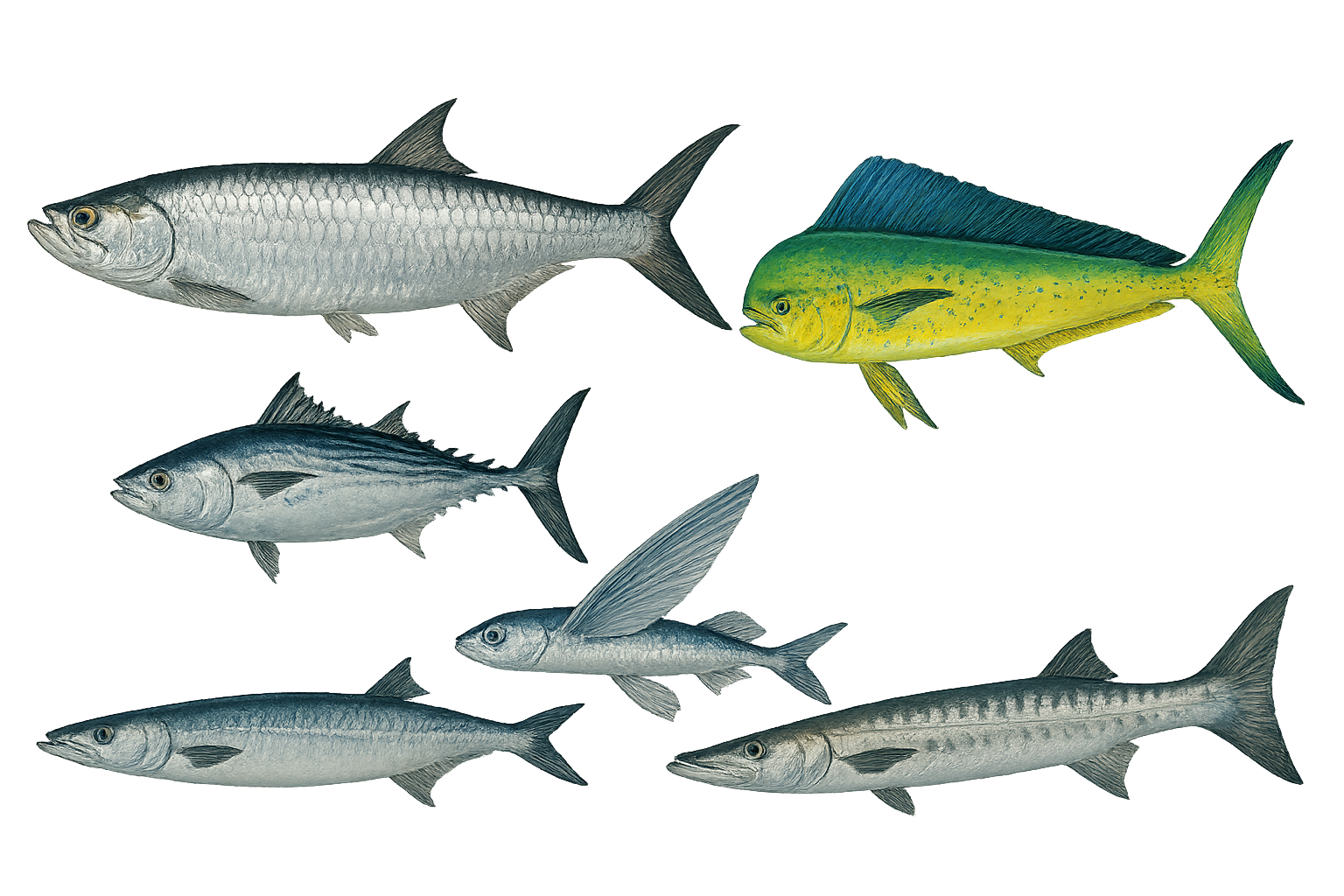
A Guide to Jumping Fish in Curacao
Curaçao’s dramatic coastline, especially near Watamula off the Cliff Villa Peninsula, offers some of the Caribbean’s most exciting wildlife sightings, especially when large fish burst from the water in powerful leaps. From the massive silver tarpon and fast-moving tunas to the acrobatic mahi-mahi and gliding flying fish, each species has its own signature style that makes identification possible even from a distance. Understanding how these fish move, why they jump, and where they’re most often seen transforms a simple splash into a fascinating glimpse of the island’s thriving marine ecosystem.

Why Curaçao’s Gardens Thrive on Peels, Seeds, Coffee, and Corks
Curaçao is a desert island. Our earth is dry, sandy, and often starved of the organic matter that helps plants hold water and nutrients. Yet across the island, something magical is happening in home gardens: people are rediscovering that what we throw away can become life itself.
Every banana peel, mango seed, coffee grind, and wine cork that goes into your soil, instead of the garbage, helps transform this arid land into living earth.
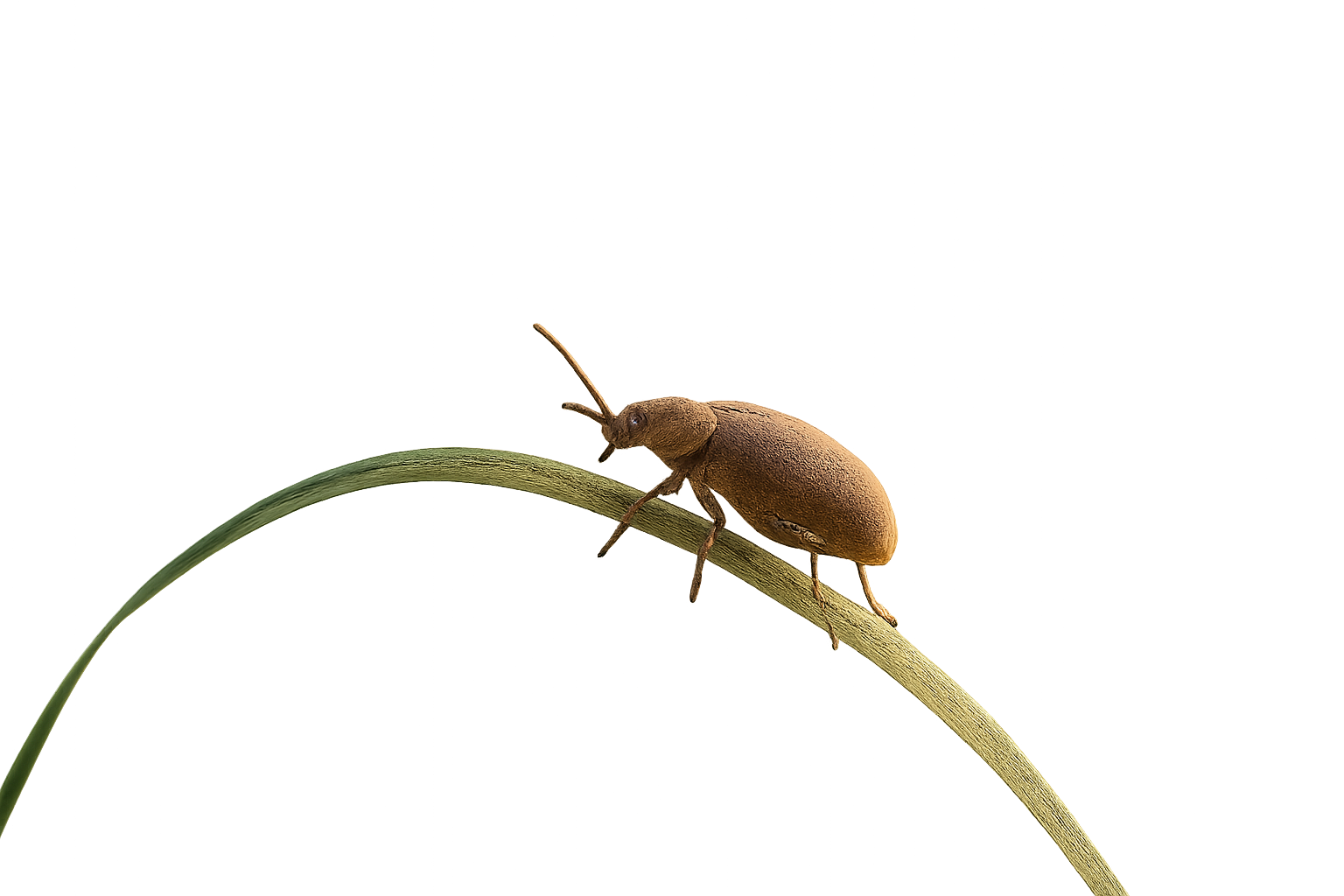
Why You Don’t Need to Worry About Insects in Curaçao
One of the best-kept secrets about Curaçao is how safe it feels outdoors. Whether you're hiking the cactus-lined trails of Christoffel Park, dining al fresco under the stars, or swimming in a secluded cove—there’s little need to worry about dangerous bites or stings.
Curaçao is a nature lover’s paradise—with the added peace of mind that you’re not sharing it with dangerous bugs. So go ahead: take that moonlit walk, sip your drink under the stars, and fall asleep to the sound of waves—not buzzing wings. Welcome to Curaçao: naturally beautiful, wonderfully safe.
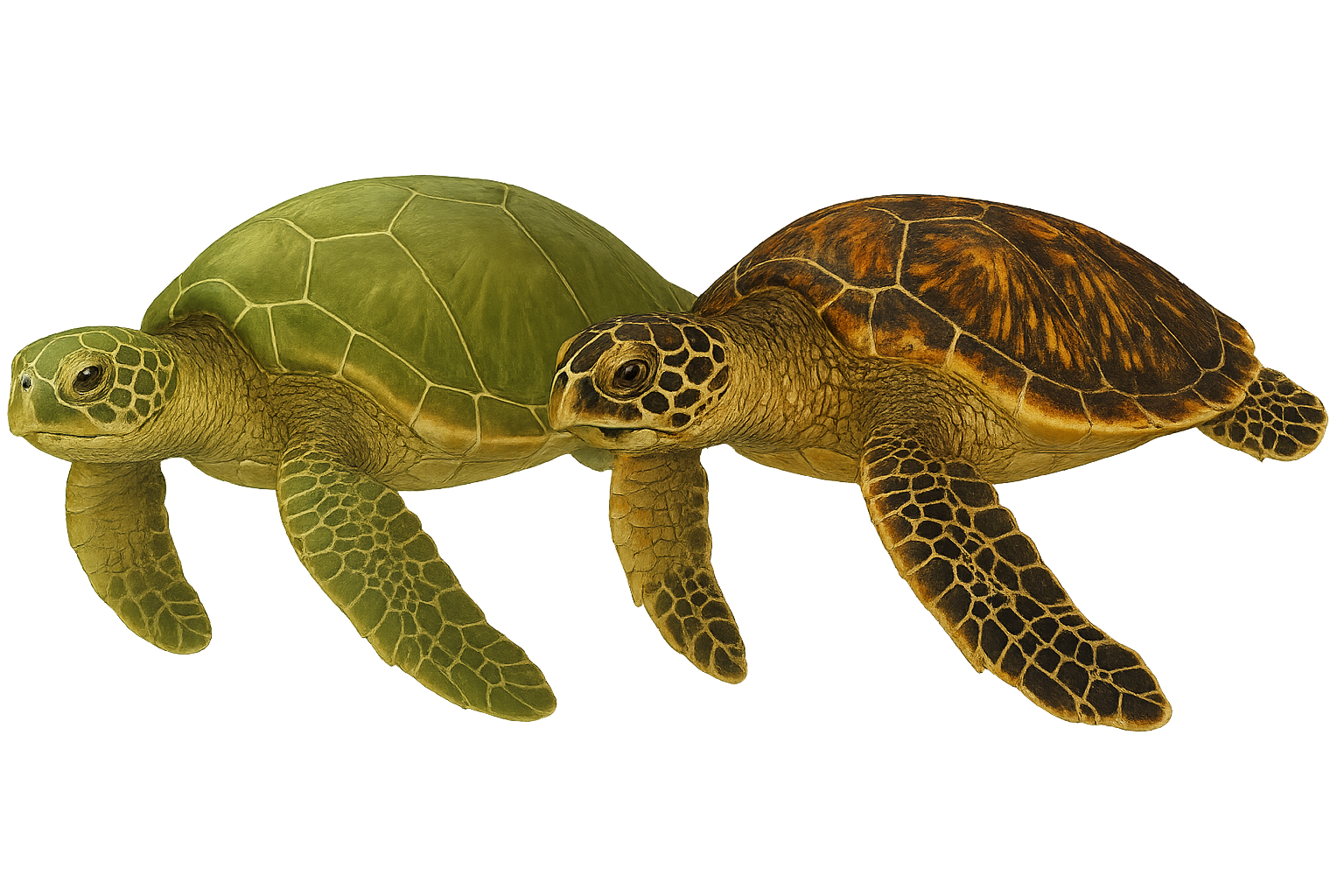
Before you go Turtle Watching!
Curaçao is home to several sea turtle species, and one of the best places to see them up close is Playa Piskadó, a humble fishing beach that has become a sanctuary of sorts for these ancient mariners.
Fishermen at Playa Piskadó often clean their catch onshore, tossing scraps of fish back into the shallow waters. This steady stream of food attracts a regular group of sea turtles, who have learned to visit the area daily for an easy meal. It’s one of the few places in the Caribbean where you can reliably snorkel with wild turtles just a few meters from shore.
Read this BEFORE you go turtle watching. It is important.

Curaçao’s Pink Flamingo Guide
Among its most graceful and beloved natural inhabitants of Curaçao are the pink flamingos, often spotted wading elegantly in shallow salt flats and coastal lagoons. These exotic birds have become a symbol of the island’s wild beauty and ecological richness.
While not native to the island, the American flamingo (Phoenicopterus ruber) has made Curaçao its seasonal and sometimes permanent home.

Curaçao’s Hummingbird
Curaçao, the Dutch Caribbean island famed for its colorful architecture, azure waters, and desert-like terrain, is also home to one of nature’s most remarkable creatures: the hummingbird, Ruby-Topaz Hummingbird (Chrysolampis mosquitus). Often referred to as “living jewels,” hummingbirds on the island captivate with their iridescent plumage, rapid wingbeats, and fearless demeanor.
But who exactly are these tiny dynamos? Let’s take a deep dive into the species, behavior, habitats, and cultural significance of Curaçao’s hummingbirds.

The Story of Blue Curaçao
In the 1500s, Spanish explorers brought Valencia orange trees to Curaçao. But under the island’s arid sun, volcanic soil, and scarce rainfall, the fruit transformed. It became the laraha—green, small, and far too bitter to eat.
Fast forward to 1896. In Willemstad, Edgar Senior and his partner Haim Mendes Chumaceiro were running a pharmacy called Botika Excelsior. Using a family recipe, they created a medicinal citrus aperitif they called “Senior’s Curaçao Tonic.”
There was a secret hidden in the peel. When dried, it released a sweet, citrusy fragrance unlike anything else. That aroma would one day become the soul of a new spirit: Blue Curacao.

Stargazing in the Caribbean
Curacao is location just north of the equator means view magnificent views of both northern and southern constellations. If you are coming from the north, you are in for a Curacao treat. Stand on the tip of Cliff Villa Peninsula and look for constellations such as Crux, Carina and Centaurus, and objects such as the Carina Nebula and the Jewel Box cluster. These are astronomical gems that cannot be seen from North America or Europe. Note that in the Caribbean, the moon and planets pass overhead, as opposed to being close to the horizon as you may experience in Europe and North America which means the objects are brighter and clearer.

Everything to know about Sand Floors at the Synagogue in Curacao
The Mikvé Israel-Emanuel Synagogue in Curacao is famous for its sand floor, which holds deep historical and symbolic significance. Built in 1732, it is the oldest continuously operating synagogue in the Americas, and the sand floor was initially introduced to muffle footsteps during services, allowing for undistracted prayer. Over time, the sand came to symbolize the Israelites’ desert journey, humility, and the resilience of the Jewish people. The sand also serves practical purposes, helping to keep the building cool in the Caribbean heat.

What are Chi Chi Dolls?
Chi Chi dolls are a vibrant representation of Curaçaoan culture, celebrating the strength and warmth of the island’s women. While their origins are rooted in Afro-Caribbean artistry, Curaçao’s diverse heritage, including its long-standing Jewish community, has influenced local traditions. Some artisans incorporate Jewish symbols and motifs into their designs, reflecting the island’s rich multicultural history. These unique handcrafted dolls not only serve as cherished souvenirs but also as a testament to Curaçao’s dynamic cultural fusion.
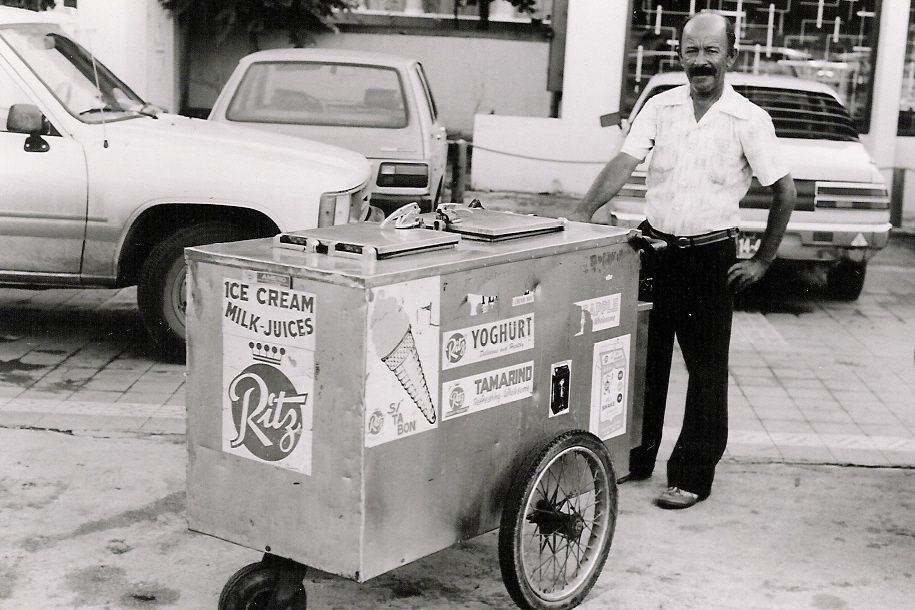
A Sweet Curaçao Legacy: Ritz Ice Cream
The Ritz Ice Cream Factory in Curaçao holds a special place in the island’s history, not only as the largest ice cream producer in the Caribbean but also as a cherished part of the local and Jewish communities. Founded in 1938 by Otto Senior and his wife Rosalynde, the factory grew from supplying milk to U.S. soldiers to producing beloved ice cream and dairy products enjoyed across the region. The factory was located in Scharloo, a historic neighborhood that was home to a thriving Jewish community, including Max Lowenthal, whose home later became part of The Ritz Hotel.

What is the Curacao Rustbelt?
When you fly into Curacao, you may have noticed the rust belt of abandoned oil tanks. Curaçao's Refinery was the cornerstone of the island's economy since its establishment in 1918 by Royal Dutch Shell. Over the decades, it played a pivotal role in processing Venezuelan crude oil, significantly contributing to local employment and economic activity. However, a confluence of economic, environmental, and geopolitical factors led to a slow unwinding of this business. Here is some background.

Black Caesar, the Pirate & Curaçao
Unlike other pirates of his day, who were European sailors turned to piracy, Black Caesar was said to have been a West African chieftain, he was deceived, captured, and transported across the Atlantic before he escaped. Shipwrecked off the Florida coast, Caesar’s men operated in the shadows of Willemstad, gathering intelligence on outgoing ships, their cargo, and their vulnerabilities.

Pirate Tales of Curaçao: Smuggling & Intrigue
Curaçao’s history is a captivating blend of piracy, colonial intrigue, and modern-day challenges. From the daring exploits of infamous pirates like Black Caesar and the legends of hidden treasures near Santa Martha Bay, to the defiance of Dutch merchants scuttling their ships and the eerie ghost ship of Watamula, the island’s past is rich with thrilling tales.

Jewish Pirates: History of the Caribbean Jews
The story of Jewish pirates in the Caribbean is a fascinating chapter of resilience and revenge. Driven from Spain and Portugal by the Inquisition, many Sephardic Jews sought refuge in the New World, where some took to piracy to fight back against their persecutors.

Identify Birds & Insects by Call
From the cheerful whistles of the trupial and the chattering flocks of prikichi in the morning to the soothing hum of cicadas and the haunting calls of barn owls at night, the island is alive with sound. Even the waves at Watamula, with their rhythmic crash and hiss, add a calming, almost meditative vibe. Whether it’s the rustle of ghost crabs on the beach or the trill of tree crickets under the stars, every sound tells a story about the island’s wild, beautiful spirit. Take a moment to pause, listen, and soak it all in—Curaçao’s natural orchestra is something you’ll never forget.

Curacao’s Fauna, Fish & Fowl
Watamula Cactus Scrublands is a haven for over two hundred bird species and other wildlife. The Iguanas is a perfect Villa animal: loves sun and hardly moves. The Whiptail Lizard is native to Curaçao: thin brown ones (lagadishi) are the females and young, the larger blue green ones (blò-blò) are male. Wara is a solitary scavengers that hunt for their food on the ground. Found on other islands, it is only called Wara Wara in Curacao, Aruba and Bonaire. Read more about the Cliff Villa residence.