
Curaçao · Otrobanda · Willemstad
Kura Hulanda
& the Amazing
Jacob Gelt Dekker
A story of obsession, coral stone, and the stubborn belief that what has been broken can always be saved.
Not redevelopment.
Repair.
This is one of my favorite stories in Curaçao. It is about a magical place in Otrobanda — "The other side" of Willemstad. It is about the village of Kura Hulanda. The brainchild of Jacob Gelt Dekker, who restored a neighbourhood and left a legacy of magic.
When Jacob Gelt Dekker first walked through Otrobanda in the late 1980s, the neighborhood was not yet a destination. It was a place most people passed by quickly. Many of the once-elegant merchant houses stood abandoned or subdivided into unsafe shells. Roofs had collapsed, courtyards were overgrown, and entire streets carried the quiet exhaustion of decades of neglect.
Jacob was not looking for a project. He was looking at buildings. Old merchant homes, former slave quarters, workshops built of coral stone and lime mortar — the kind of architecture that tells you how a place once worked, if you are willing to read it.
He came to believe that Otrobanda had not failed. It had simply been left alone for too long. So he started small. One building. Then another.
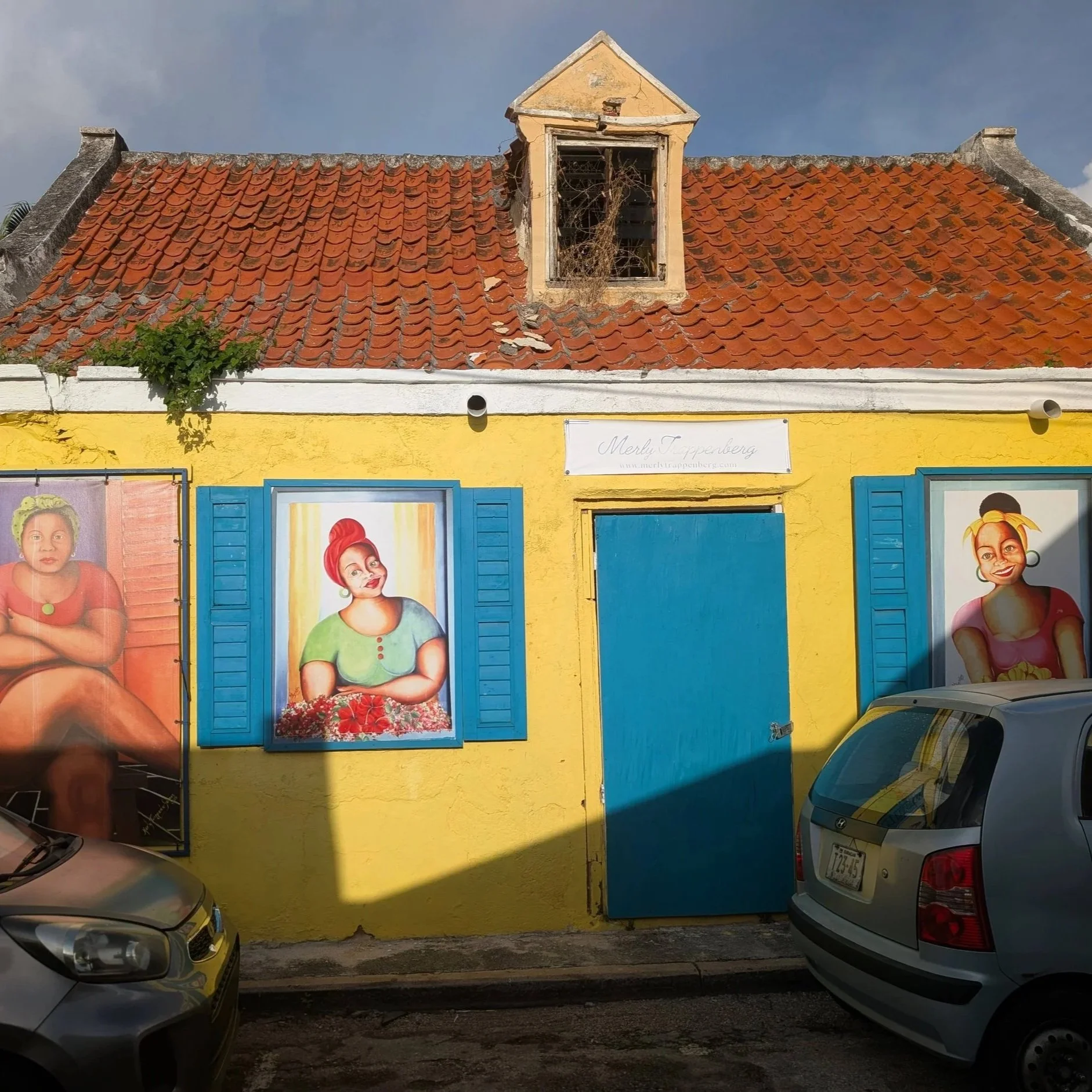
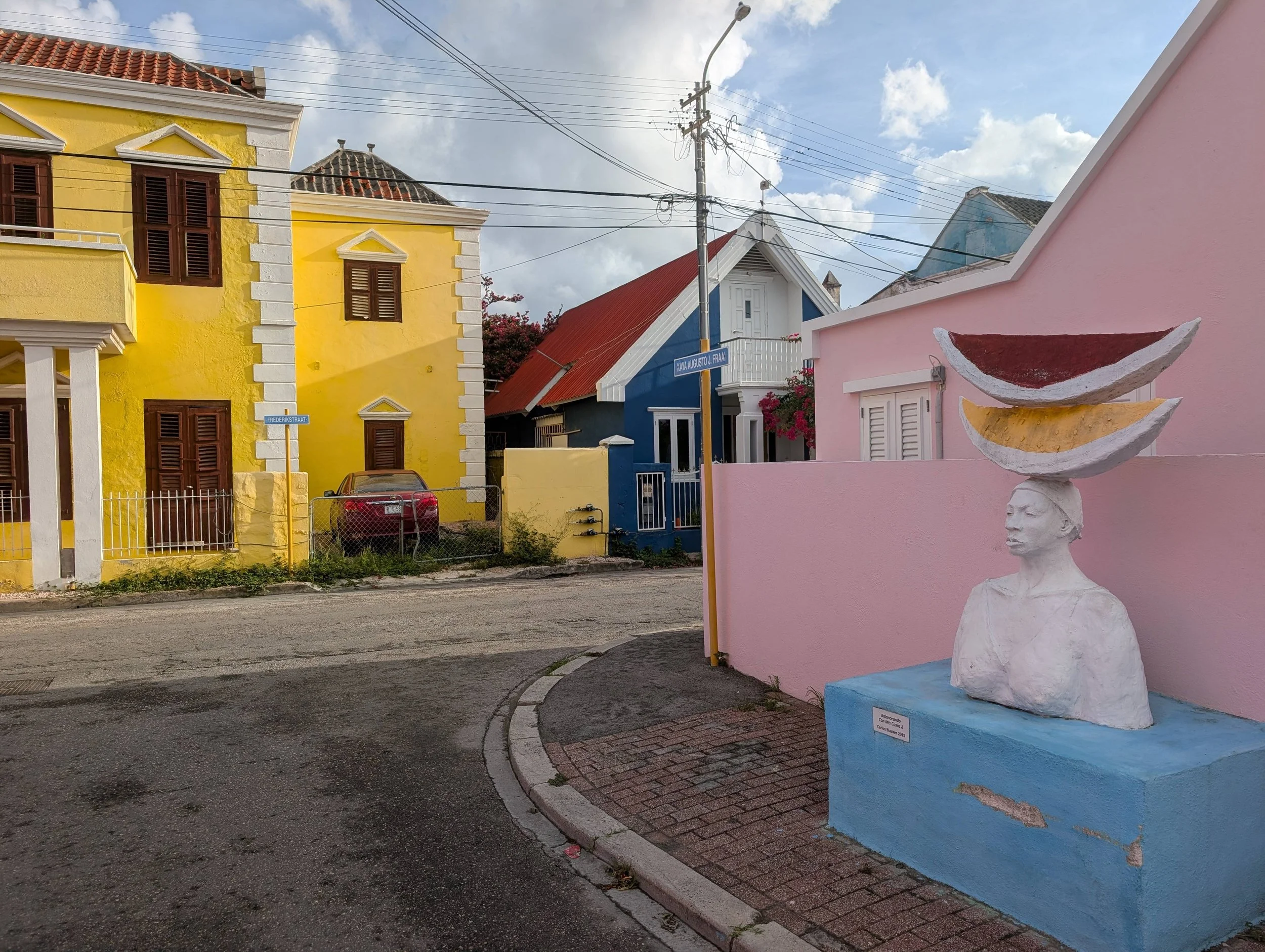
"What makes this neighbourhood magical is that he restored them carefully, often obsessively — keeping original walls, beams, and proportions wherever possible."
Cliff Villa · Curaçao
The museum that refused
to look away
As the restored buildings began to connect into streets and courtyards, a bigger idea emerged. Otrobanda, he decided, needed a purpose that matched its past. The result was Kura Hulanda — a museum and cultural complex that did something unusual in the Caribbean. It told the story of the transatlantic slave trade directly, globally, and without comfort.
Gelt Dekker assembled historians and curators from several continents. He collected artifacts with academic seriousness rather than theatrical flair. The museum did not flatter. It explained. Visitors were expected to think, not just look. It was less about sentiment and more about evidence.
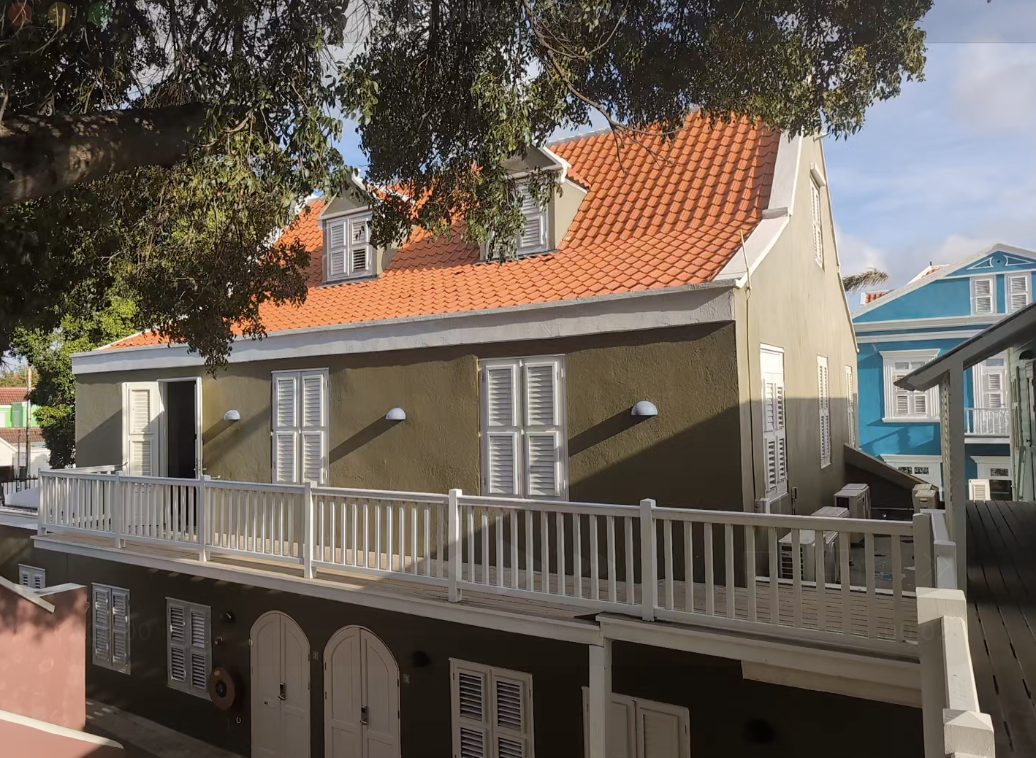
When engineers advised that rebuilding would be cheaper, he asked a different question: could it still be saved? Instead of clearing the site, the team documented everything. Each coral stone was numbered. Surviving beams were lowered carefully, repaired, and stored. Lime mortar was mixed using historical ratios rather than modern cement.
When workers suggested straightening walls that had shifted over centuries, Gelt Dekker refused. The lean, he said, was part of the building's biography.
Three centuries
of becoming
Early Settlement
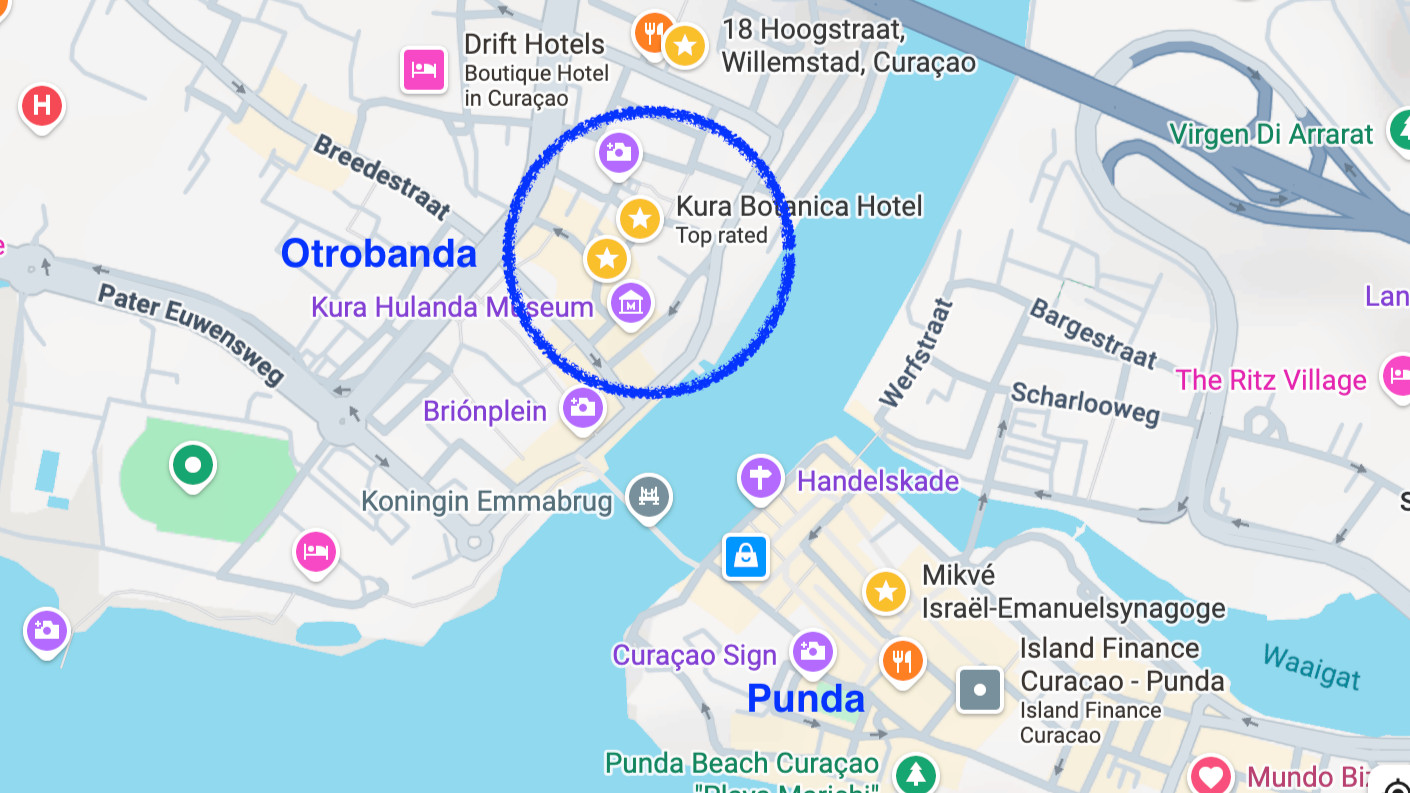
The colonial government began granting land plots on the west side of St. Anna Bay. Otrobanda developed organically rather than through formal urban planning — streets evolved in an irregular pattern as small homes, workshops, and merchant buildings gradually filled in around the growing port economy.
The Rise of a Residential Quarter
Wealthy merchants and professionals began constructing large neoclassical mansions above the harbor, transforming Kura Hulanda into one of the most elegant residential quarters in Otrobanda. The growth of trade through the harbor brought increased prosperity, and elegant homes, courtyards, and narrow streets gave the neighborhood a distinctive architectural character still recognizable today.
Decline and Separation
The construction of the Arubaweg ramp leading to the Queen Juliana Bridge cut directly through historic Otrobanda, separating Kura Hulanda from the western portion of the district. As many residents moved away, buildings were abandoned and the once vibrant neighborhood fell into significant decline.
The Restoration Begins
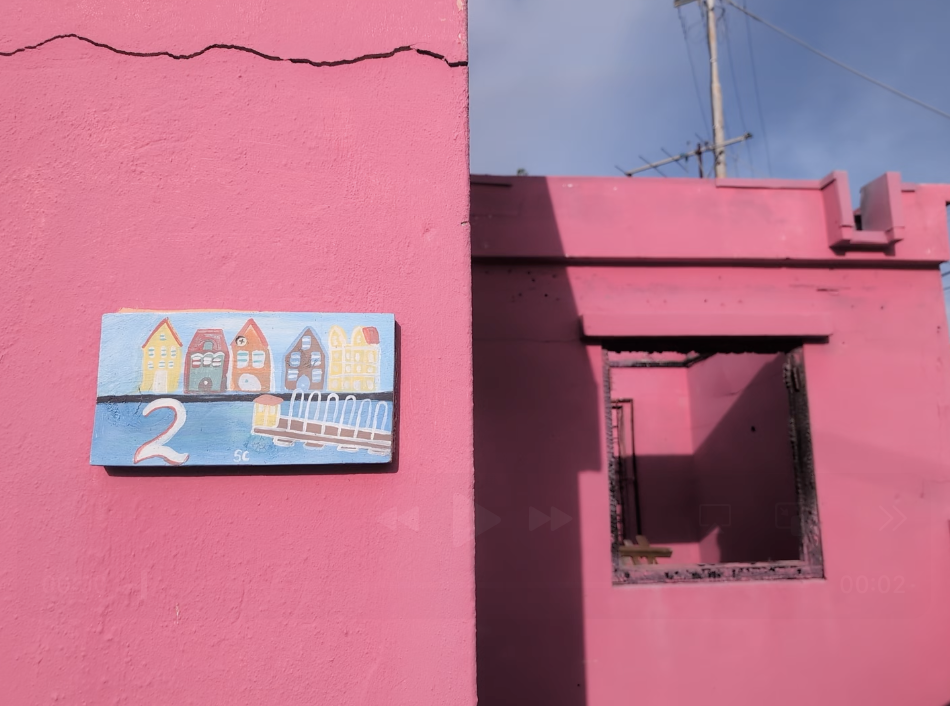
Jacob Gelt Dekker begins his decade-spanning project. One building at a time, then entire streets. Craftsmen were asked how their grandparents had done things. Modern fixes were kept out of sight. This was not redevelopment — it was repair.
Years later, a former resident visited
and recognised the floor plan instantly.

Where Cliff Villa
calls home
Later, Gelt Dekker turned his attention west — to Westpunt, where Cliff Villa is situated. His approach changed accordingly. If Otrobanda was about restoring memory, Westpunt was about protecting atmosphere.
No grand statements. Just an insistence that development should not shout over nature. Through projects like Lodge Kura Hulanda & Beach Club, he left this western corner of the island largely as he found it.
He died in 2019, before seeing his legacy fully settled. Yet the essential point remains: Otrobanda still stands. Westpunt remains largely untouched by excess. In a region where short-term development often wins, Jacob Gelt Dekker proved that long-term thinking is possible — even if it comes at personal cost.
Curaçao has a tremendous debt to pay to this man.
Explore Willemstad Nightlife